The human eye is naturally drawn to the complex, irregular patterns found in nature. For thousands of years, our daily routines were dictated by the movement of the sun, the texture of natural materials, and the immediate proximity of the changing seasons. Modern residential construction, with its reliance on flat drywall, synthetic plastics, and artificial lighting, completely severs this ancient connection. Stepping into a room devoid of natural elements often induces a subtle, persistent sense of fatigue. Biophilic design seeks to correct this imbalance by actively pulling the colors, textures, and light of the outdoor world directly into the center of the home.
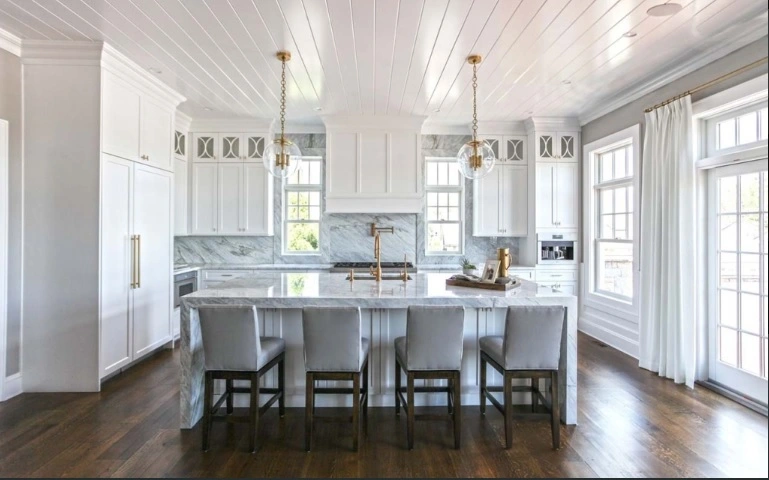
The most immediate way to reintroduce nature to a residential layout is through the aggressive expansion of transparent surfaces. Small, traditional windows restrict the view and create harsh, localized pools of light. Executing a thoughtful kitchen remodeling New Fairfield update often involves completely removing restrictive exterior walls and replacing them with massive, continuous panes of glass. Placing the primary preparation sink directly beneath an oversized window allows the homeowner to watch the wind move through the trees or observe the morning rain, turning a mundane chore into a quiet moment of natural observation.
Skylights provide a completely different quality of illumination, capturing the dynamic shifting of the sun throughout the entire day. Unlike wall windows, which provide directional light that casts long shadows, a well-placed skylight bathes the central island in an even, ambient glow. As clouds pass overhead, the light level within the room rises and falls organically, reminding the occupants of the shifting weather patterns outside. This continuous variation in brightness prevents the room from feeling static and heavily reduces the household's dependency on electrical fixtures.
Material selection is critical for grounding the space in the natural world. Heavily processed composites and glossy laminates reflect a sterile, manufactured aesthetic. Instead, we must turn to materials that display their origins proudly. Installing countertops cut from heavily veined quartzite or deeply colored soapstone introduces millions of years of geological history directly into the workspace. The cool, heavy touch of real stone beneath your hands provides a highly tactile, grounding experience that synthetic imitations simply cannot replicate.
Wood plays a profound psychological role in biophilic architecture. Rather than covering wooden fixtures in thick coats of opaque, high-gloss enamel, the natural grain must be allowed to show through. Choosing open-grain white oak or rich, warm walnut for the primary cabinetry adds incredible visual depth. The irregular knots, variations in color, and the slightly rough texture of the wood grain provide a visual resting place for the eyes, softening the hard edges of modern appliances and metal hardware.
Color theory derived directly from the immediate surrounding landscape further blurs the boundary between inside and outside. Drawing inspiration from local foliage, soil, and stone prevents the interior from feeling disconnected from its geographical location. Muted sage greens, deep earth tones, and soft sky blues create a calm, organic atmosphere. When the paint colors on the walls perfectly echo the tones of the garden visible through the glass, the interior feels like a natural, logical extension of the property.
Introducing living plants completes the biophilic transformation. Designing specific architectural niches for indoor greenery ensures that plants are treated as permanent structural elements rather than temporary decorations. A built-in, properly drained planter box extending along a sunlit window provides the perfect environment for growing fresh herbs. Plucking fresh basil or rosemary directly from a living plant during meal preparation engages the sense of smell, fully immersing the cook in a rich, multi-sensory natural experience right in the middle of their home.
Conclusion
Biophilic design restores the missing connection between modern living and the natural world. By expanding natural light, choosing tactile organic materials, and reflecting the colors of the landscape, you create a calm, deeply restorative environment for your family.
Call to Action
Breathe new life into your home and create a beautiful, nature-inspired living space by working with designers who prioritize organic architecture.
Visit: https://kitchentraditions.net/




Share this page with your family and friends.